What is SEO? A Complete Beginner’s Guide to Search Engine Optimization
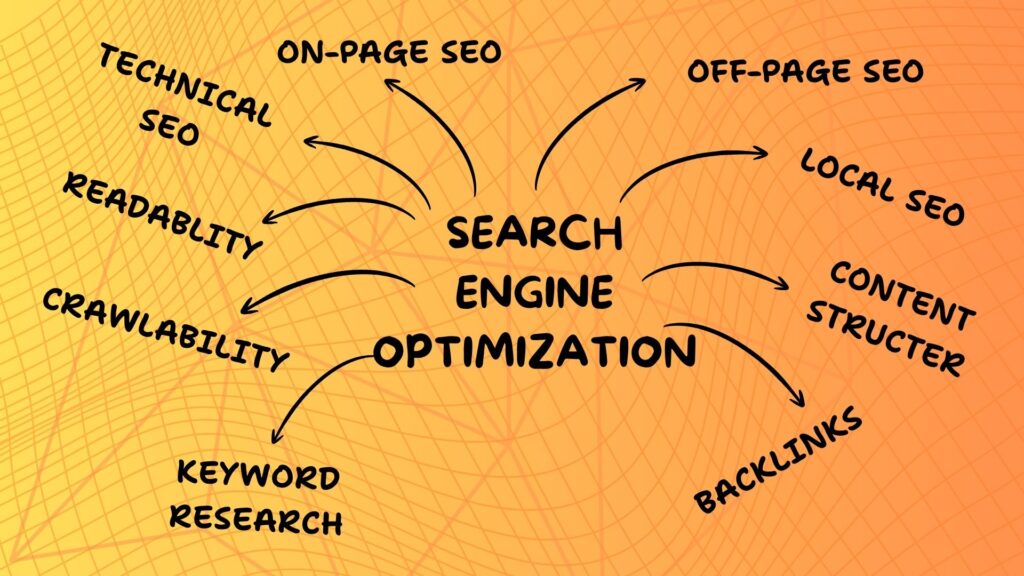
If you’ve ever wondered why some websites appear at the top of Google while others are buried on page 10, the answer lies in SEO.In today’s digital world, being visible online isn’t just luck — it’s strategy. That strategy is called Search Engine Optimization, or simply, SEO In this guide, we’ll break down what SEO is, how it works, why it’s important, and how you can use it to grow your business organically. What is SEO? SEO (Search Engine Optimization) is the process of improving your website to help it rank higher on search engines like Google, Bing, and Yahoo.The goal is to attract organic (free) traffic — people who find your website naturally when they search for something online. For example, if someone searches “best digital marketing agency in India,” and your website appears on the first page, that’s SEO at work. In simple terms: SEO = Optimizing your website + Creating helpful content + Building authority→ To rank higher in search results → To get more clicks, leads, and conversions. Why SEO is important? In today’s world, almost everyone starts their buying journey with a Google search.That means if your website isn’t visible, you’re losing potential customers — even if you have great products or services. Here’s why SEO is essential: SEO isn’t just about search engines; it’s about understanding what your audience is searching for and providing the right answers. How Search Engines Work? Before diving deeper, it’s important to understand how Google and other search engines work. Search engines go through three main steps to deliver results: 1. Crawling Search engines use bots (called crawlers or spiders) to scan websites and discover new pages. 2. Indexing After crawling, they store and organize content in their massive database — known as the index. 3. Ranking When a user performs a search, Google ranks all indexed pages based on relevance, quality, and authority. Your goal with SEO is to make your website easy to crawl, easy to understand, and trustworthy enough to rank higher. The Different Types of SEO There are multiple types of SEO that work together to improve visibility. Let’s explore each one briefly. 1. On-Page SEO This focuses on optimizing the content on your website.Key elements include: 2. Off-Page SEO This focuses on what happens outside your website.It helps build authority and trust.Key actions include: 3. Technical SEO This ensures that your website is technically optimized for search engines.It includes: 4. Local SEO If you run a local business, this helps you appear in nearby searches like “digital marketing agency near me.”Key areas include: Key Elements of SEO Success Let’s look at what really drives strong SEO results. 1. Keyword Research Every SEO strategy starts with keywords — the words or phrases people type into Google.Example: “what is SEO,” “how SEO works,” “SEO tips for beginners.” Use tools like: Find high-volume, low-competition keywords that match your audience’s intent. 2. Quality Content Content is the heart of SEO.Google rewards content that is helpful, original, and relevant to users. Tips for better content: 3. Backlinks and Authority A backlink is when another website links to yours.The more trusted sites link to you, the more Google sees your site as authoritative. Earn backlinks by: 4. User Experience (UX) SEO and UX now go hand-in-hand.If your website is slow or hard to navigate, users leave — and rankings drop. Focus on: 5. Mobile Optimization Since Google uses mobile-first indexing, your site must perform well on phones.Test it using Google’s Mobile-Friendly Test and fix any display or speed issues. How to Do SEO for Your Website Understand Your Target Audience and identify who you’re trying to reach and what they search for.Example: If you run a digital marketing agency, your audience might search for “SEO services for small businesses.” 1. Do Keyword Research Use keyword tools to find relevant terms.Analyze search volume, difficulty, and user intent. 2. Optimize Your Website Content 3. Build Quality Backlinks Reach out to blogs or local directories.Offer guest posts or share useful content that earns natural links. 4. Track and Measure Results SEO is a long-term process — it can take 3 to 6 months to see steady results. Common SEO Mistakes to Avoid Many beginners unknowingly make mistakes that hurt their rankings.Here are some to avoid: Focus on quality over quantity, and keep improving your site over time. Best SEO Tools for Beginners If you want to make SEO easier, these tools are your best friends. Free Tools: Paid Tools: SEO vs SEM: What’s the Difference? Both SEO and SEM help you appear on search engines, but they work differently. Feature SEO SEM Cost Free (organic) Paid (Google Ads) Time Slow but lasting Instant but temporary Focus Long-term growth Short-term visibility Example Blog post ranking on Google Paid ad campaign The best strategyUse SEO for long-term authority and SEM for quick results or launches. The Future of SEO (2025 and Beyond) Search engines evolve constantly.Here’s what’s shaping the future of SEO: 1. AI and Machine Learning Google now uses AI-driven algorithms to understand user intent.Focus on helpful, human-centered content, not keyword repetition. 2. Voice Search With Alexa, Siri, and Google Assistant, voice SEO is growing.Optimize for conversational phrases like “how do I…” or “best way to…” 3. Core Web Vitals Google prioritizes sites with excellent page speed, interactivity, and visual stability. 4. E-E-A-T: Experience, Expertise, Authority, Trust Authenticity is now a ranking factor.Show your real expertise through case studies, author bios, and transparent sources. Conclusion: SEO Is a Long-Term Game SEO isn’t a one-time task — it’s an ongoing process.It’s about understanding people, creating value, and building trust with both users and search engines. With consistency and patience, SEO becomes one of the most powerful ways to grow your business organically. Start small:
What is Social Media Marketing? A Complete Guide for Beginners
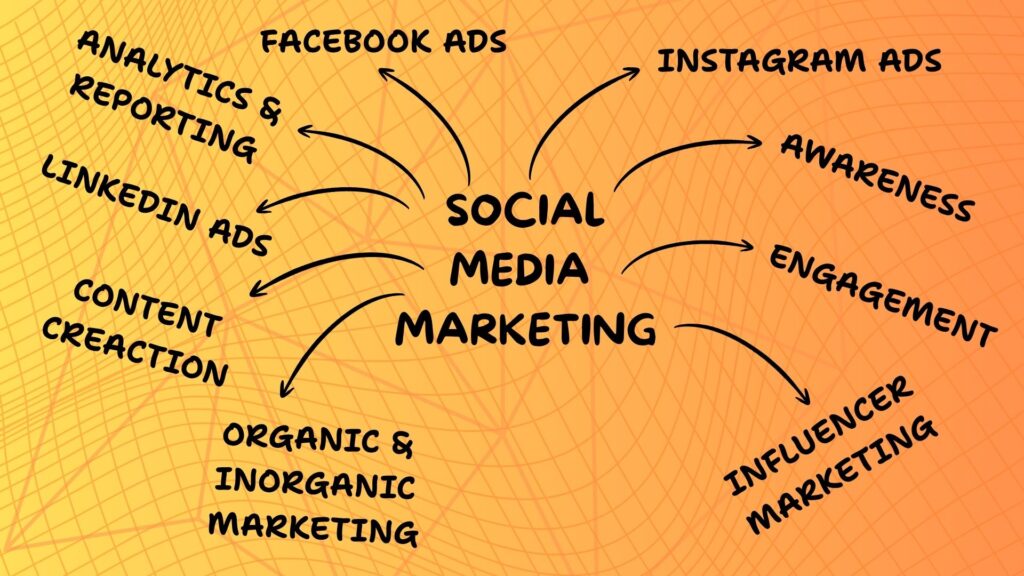
In today’s world, almost everyone spends a big part of their day scrolling through social media. Whether it’s checking Instagram stories, tweeting opinions, watching YouTube videos, or connecting on LinkedIn — social media has become a daily habit for billions.For businesses, this shift in human behavior has opened up a massive opportunity — Social Media Marketing (SMM). But what exactly is social media marketing? How does it work, why is it important, and how can you start using it effectively for your brand?Let’s dive deep into every aspect of social media marketing and understand how it shapes modern business success. Understanding Social Media Marketing Definition Social Media Marketing (SMM) is the process of promoting products, services, or brands through social media platforms like Facebook, Instagram, Twitter (X), LinkedIn, Pinterest, and TikTok. It involves creating and sharing content — such as posts, videos, reels, and stories — to engage audiences, build brand awareness, drive website traffic, and generate leads or sales. In short, it’s about using social platforms strategically to connect with your audience where they already spend their time. Why Social Media Marketing Important Social media marketing isn’t just about being visible — it’s about being relevant.Here’s why it’s become an essential part of every business strategy: 1. Massive Audience Reach: Over 5 billion people use social media globally. It’s the easiest way to reach your target audience. 2. Brand Awareness: Social platforms help brands get noticed, build recognition, and develop trust with potential customers. 3. Cost-Effective Marketing: Compared to traditional advertising, social media offers affordable options for both organic and paid promotions. 4. Customer Engagement: It allows two-way communication — brands can interact directly with followers, respond to queries, and build communities. 5. Data-Driven Insights: Every platform provides analytics to track performance, helping you understand what works best. In short, social media marketing gives both small and large businesses the ability to build visibility, engagement, and loyalty in one place. Major Social Media Platforms for Marketing Each social media platform serves a different purpose and attracts different types of users. Knowing which one to focus on depends on your business goals and audience type. 1. Facebook 2. Instagram 3. LinkedIn 4. Twitter (X) 5. YouTube 6. Pinterest Core Components of Social Media Marketing To build a strong social media presence, you need to understand the key pillars of SMM: 1. Strategy Before you start posting, define your: A clear strategy helps align all your efforts toward measurable results. 2. Content Creation Content is the backbone of social media marketing. It can include: The key is to create authentic and valuable content that connects emotionally with your audience. 3. Consistent Posting Schedule Posting consistently helps you stay visible in your followers’ feeds. Use scheduling tools like Buffer, Later, or Meta Business Suite to plan posts in advance. 4. Engagement Reply to comments, messages, and mentions. Social media is not just about talking — it’s about listening and building relationships. 5. Analytics and Insights Every major platform provides analytics tools. Measure: Tracking these numbers helps refine your content and strategy. 5. Types of Social Media Marketing There are multiple ways to market your brand on social platforms. Here are the main ones: 1. Organic Social Media Marketing This involves unpaid efforts — posting regularly, engaging with followers, and building a natural audience over time. 2. Paid Social Media Advertising These are sponsored posts or ads targeted to specific users based on demographics, behavior, and interests.Example: Facebook Ads, Instagram Ads, and LinkedIn Ads. 3. Influencer Marketing Brands collaborate with influencers to promote their products to a loyal follower base. It’s one of the most trusted marketing methods today. 4. Social Media Contests and Giveaways Engage users through contests, quizzes, or giveaways to boost reach and interaction. 5. Affiliate and Partner Marketing Brands work with affiliates who promote their products on social media and earn commissions for every sale. 6. Social Commerce Platforms like Instagram and Facebook now allow direct shopping through posts, making the buying process seamless. Steps to Create a Social Media Marketing Strategy Building a successful strategy involves structured planning. Here’s a step-by-step approach: Step 1: Set Clear Goals Decide what you want to achieve — brand awareness, website traffic, leads, or sales. Step 2: Understand Your Target Audience Research their demographics, interests, challenges, and preferred platforms. Step 3: Choose the Right Platforms Focus only on platforms where your audience is active. Quality is better than quantity. Step 4: Develop a Content Plan Create a monthly content calendar. Mix different content types — educational, promotional, entertaining, and interactive. Step 5: Post Consistently Follow a consistent posting schedule. Use automation tools to stay active without daily manual effort. Step 6: Engage Authentically Reply to comments, answer messages, and appreciate user feedback. Step 7: Monitor and Optimize Analyze your metrics regularly. Identify top-performing posts and repeat what works. Benefits of Social Media Marketing Social media offers more than just visibility. Its long-term impact includes: Common Mistakes to Avoid Even experienced marketers make errors. Avoid these pitfalls: Remember: social media success comes from strategy, consistency, and authenticity. Tools for Effective Social Media Marketing Here are some popular tools to manage your campaigns efficiently: Using the right tools saves time, ensures consistency, and delivers better results. The Future of Social Media Marketing The world of social media marketing continues to evolve with new technologies. Here’s what’s shaping the future: Those who adapt early will gain the strongest competitive edge. Conclusion Social media marketing is no longer an option — it’s a necessity.From building awareness to generating sales, it offers every business an opportunity to grow, connect, and stay relevant in a fast-changing digital world. Whether you’re a small business owner, entrepreneur, or digital marketer, mastering SMM can transform the way you attract and retain customers.The key lies in understanding your audience, creating valuable content, engaging consistently, and optimizing based on insights. Start simple. Pick one platform. Be consistent. Measure what works.Over time, your brand will not just grow — it will connect, influence,